Today, healthcare organizations depend heavily on digital systems to deliver fast, accurate, and uninterrupted patient care. From electronic medical records (EMR) to laboratory systems and patient management platforms, healthcare operations now rely on constant access to data.
The challenge is that even a short system outage can create operational disruptions that directly affect both healthcare professionals and patients. This is why health disaster recovery is becoming a growing priority for hospitals and healthcare providers across Malaysia.
Why Protecting Healthcare Data Matters More Than Ever
Healthcare environments are becoming increasingly digital, making stronger protection against outages, cyber threats, and infrastructure failures essential. Reliable access to healthcare data directly affects operational continuity, service efficiency, and overall patient experience. Even a short disruption can create delays that impact both healthcare professionals and patients. When critical systems become unavailable, clinical teams may lose access to patient records, appointment schedules, laboratory results, and treatment histories, slowing workflows and increasing operational pressure on medical staff.
The growing adoption of digital healthcare technologies has also increased the need for reliable disaster recovery solutions. Healthcare organizations must be prepared to respond quickly to outages, infrastructure failures, and cybersecurity incidents while ensuring critical data remains available and protected. Strong disaster recovery strategies help healthcare providers minimize disruptions, reduce downtime, and maintain continuity of care.
Core Elements of Healthcare Disaster Recovery
Building an effective healthcare disaster recovery strategy requires more than simply backing up data. Organizations need a structured approach that protects critical systems while enabling fast recovery when disruptions occur:
1. Identify Mission-Critical Data and Applications
Healthcare organizations should first determine which systems are essential to daily operations. This often includes EMR platforms, hospital information systems (HIS), laboratory applications, and patient management databases.
2. Secure and Scalable Data Backup Solutions
Reliable backup infrastructure helps healthcare providers recover data quickly while supporting long-term operational growth. Scalable solutions also allow organizations to adapt as digital healthcare environments continue evolving
3. Encryption of Data
Healthcare data contains highly sensitive patient information. Strong encryption helps protect data both in transit and at rest while supporting security and compliance requirements.
Also Read: The Future of Big Data: How It Will Transform Business in 2025
Major Disaster Recovery Challenges in Healthcare IT
Although disaster recovery is essential, many healthcare IT teams still struggle with operational complexity, limited resources, and growing infrastructure demands.
Managing Critical Databases Across Multiple Systems
Healthcare organizations often manage multiple databases across on-premises, hybrid, and cloud environments. Maintaining synchronization and availability across these systems can become difficult without suitable tools.
The Complexity of Traditional Recovery Approaches
Traditional disaster recovery environments are often expensive, difficult to manage, and heavily dependent on manual processes. During outages, these limitations can slow recovery times and increase operational risk.
Balancing Resilience, Compliance, and Budget Constraints
Healthcare providers must maintain system availability while also managing compliance requirements and budget limitations. Finding a balance between resilience and cost efficiency remains a major challenge for many organizations.
Choosing the Right Disaster Recovery Solutions for Healthcare Systems

The increasing reliance on digital healthcare systems has made reliable disaster recovery more important than ever. Healthcare organizations need solutions that are scalable, resilient, and simple enough to manage efficiently without overwhelming internal IT resources.
Here are some key features to look for:
Fast Recovery with Minimal Downtime
Fast recovery capabilities help reduce service interruptions and allow healthcare providers to maintain operational continuity during unexpected outages.
Real-Time Database Replication and Availability
Real-time replication helps ensure healthcare databases remain continuously updated and recoverable, reducing the risk of data loss during disruptions.
Simplified Management for Lean IT Teams
Many healthcare IT teams operate with limited resources. Simplified disaster recovery management can reduce operational burden while improving visibility and control.

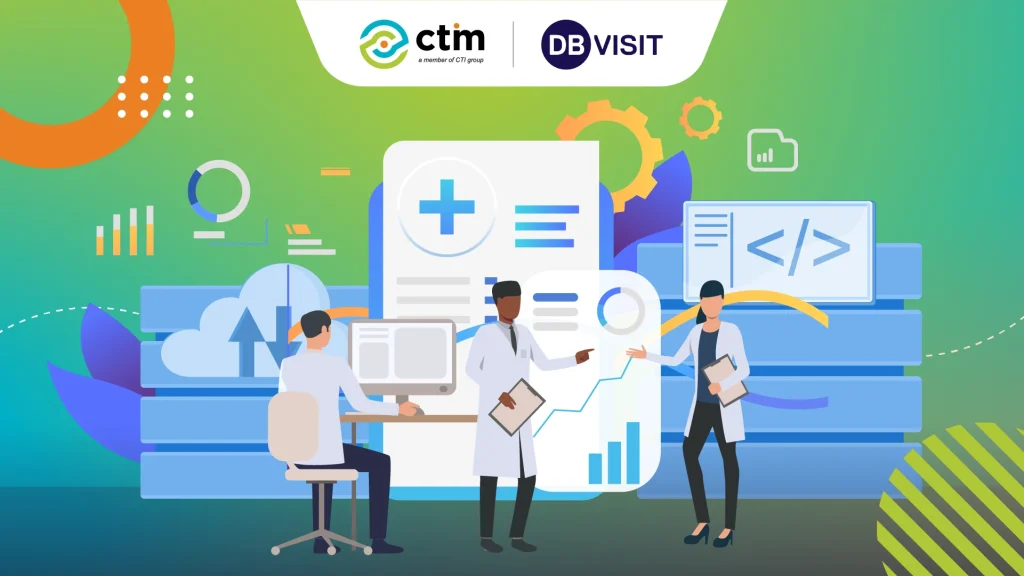
How Dbvisit Supports Disaster Recovery Solutions for Healthcare Database Resilience
As healthcare systems become more data-driven and interconnected, maintaining continuous database availability has become essential for supporting patient care and daily operations. This is where Dbvisit plays important roles including:
Continuous Replication for Oracle and PostgreSQL Databases
Dbvisit StandbyMP continuously replicates Oracle and PostgreSQL databases to help healthcare organizations maintain up-to-date and recoverable environments.
Automated Failover and Switchover Capabilities
Automated failover and switchover reduce manual intervention during planned maintenance or unexpected outages, helping IT teams restore operations faster.
Supporting Business Continuity Without Enterprise-Level Complexity
Dbvisit helps healthcare providers strengthen operational resilience without the high costs and complexity commonly associated with traditional disaster recovery solutions.
Also Read: How Database Replication Enables Seamless Remote Work
Advancing Healthcare Resilience and Operational Continuity with CTM
Ready to strengthen your healthcare disaster recovery strategy with Dbvisit? As part of the CTI Group, Computrade Technology Malaysia (CTM) helps healthcare organizations implement reliable disaster recovery solutions with end-to-end support, from assessment and deployment to optimization and ongoing management.
Contact us today and take the next step toward a more resilient, reliable, and future-ready healthcare IT environment.
Author: Angela Merici Retna Perwitasari
Content Writer Intern CTI Group