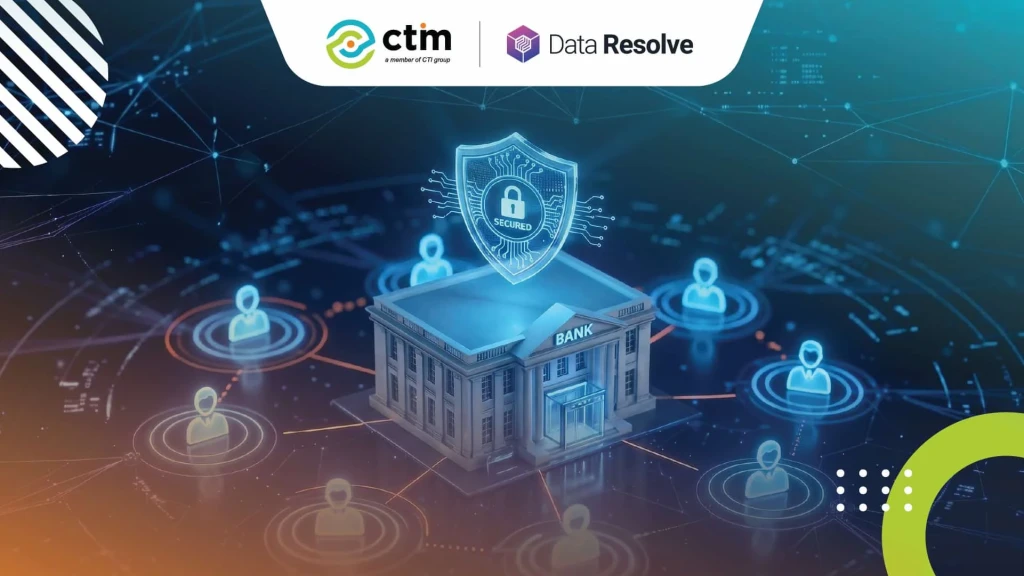
AI adoption, digital services, and hybrid cloud have fundamentally changed how banking institutions and government agencies manage data. Sensitive information no longer resides in a single database or data center. Instead, it is distributed across cloud platforms, endpoints, collaboration tools, and business applications, making comprehensive data visibility more challenging than ever.
While many organizations continue strengthening perimeter security, today’s greater challenge is understanding where sensitive data resides, who can access it, and how it is being used. Without that visibility, even mature security programs can leave critical information exposed.
This growing visibility gap is driving organizations toward Data Security Posture Management (DSPM), a data-centric approach that continuously discovers, classifies, monitors, and protects sensitive information wherever it resides.
Why Insider Threats Demand a Data-Centric Security Approach
Unlike external attackers, insiders already have legitimate access to critical systems and sensitive information. Whether caused by malicious intent, human error, or compromised credentials, insider-related incidents remain one of the most challenging risks for banking institutions and government agencies.
The impact extends beyond financial losses. Data breaches can disrupt operations, trigger regulatory penalties, damage public trust, and, in government environments, even affect national security. As hybrid infrastructures become more complex, organizations need continuous visibility into their data rather than relying solely on reactive incident response.
Also Read: 5 Causes of Data Breaches in File Transfer Malaysian Businesses Can’t Afford to Ignore
4 Reasons Banking and Government Need Data Security Posture Management
1. Gain Complete Visibility into Sensitive Data
Organizations cannot protect data they cannot see. Sensitive information is constantly being created, copied, and shared across databases, cloud storage, endpoints, and file repositories. Without centralized visibility, security teams often struggle to identify where critical information resides or whether it is adequately protected.
DSPM continuously discovers and classifies sensitive data across structured and unstructured environments, giving organizations a clear understanding of where financial records, personally identifiable information (PII), citizen data, or classified documents are stored. This visibility enables security teams to prioritize protection based on actual data sensitivity instead of making assumptions.
2. Reduce the Risk of Data Exfiltration
Knowing where sensitive data resides is only the first step. Organizations must also prevent unauthorized access and data exfiltration before incidents occur.
DSPM continuously monitors data access and movement, identifying unusual behaviors such as excessive file downloads, unauthorized copying to external devices, or uploading to personal cloud storage. Combined with policy-based access controls and least-privilege principles, security teams can detect suspicious activity early and respond before sensitive information leaves the organization.
This proactive approach significantly reduces the likelihood of costly data breaches while minimizing operational and reputational damage.
3. Simplify Compliance and Data Governance
Banking institutions and government agencies operate under some of the world’s most demanding regulatory requirements. Demonstrating compliance often requires extensive visibility into sensitive data, user access, and governance controls.
DSPM simplifies this process by continuously tracking where sensitive data is stored, who can access it, and how it is handled. Instead of manually gathering evidence before every audit, organizations can generate compliance reports more efficiently while identifying policy gaps before they become regulatory issues. The result is stronger governance with significantly less administrative effort.
4. Strengthen Trust Through Better Data Protection
Trust is one of the most valuable assets for banks and public institutions. A single data breach can undermine years of credibility and public confidence.
By continuously monitoring and protecting sensitive information, DSPM enables organizations to demonstrate a proactive commitment to data security rather than simply meeting minimum compliance requirements. Beyond reducing cyber risk, this approach helps reinforce customer confidence, protect institutional reputation, and strengthen long-term public trust.
Also Read: How Backup & Recovery Protects Your Business
How Data Resolve Helps Organizations Strengthen Their Data Security Posture
Implementing DSPM requires more than visibility alone. Organizations also need the ability to monitor user behavior, prevent data loss, investigate incidents, and enforce security policies from a single platform.
Data Resolve addresses these requirements through inDefend, a unified insider threat and data protection platform that combines Data Loss Prevention (DLP), User Behavior Analytics (UBA), employee activity monitoring, and data exfiltration protection.
Designed for distributed enterprise environments, inDefend provides continuous visibility across desktops, laptops, cloud email platforms, and network printers. Security teams can monitor sensitive data movement in real time, detect suspicious activities before they escalate, and investigate incidents using detailed audit trails, shadow logging, and screenshot evidence when required.
The platform also supports customizable policy enforcement, automated compliance reporting, and centralized analytics, helping organizations strengthen governance while reducing the operational burden of managing multiple security tools.
With more than 100,000 protected endpoints across over 20 industries worldwide, Data Resolve has established a strong track record in helping organizations improve data security and insider threat management.
Also Read: The Future of Big Data: How It Will Transform Business in 2026

Strengthen Data Security with CTM
As sensitive data continues to expand across hybrid environments, protecting the network perimeter alone is no longer enough. Organizations need continuous visibility into where critical data resides, how it is used, and who has access to it.
Through Data Resolve, Computrade Technology Malaysia (CTM), as part of CTI Group, helps banking institutions and government agencies build a proactive data security strategy that combines DSPM capabilities with comprehensive insider threat protection. From assessment and implementation to ongoing optimization, CTM works alongside organizations to strengthen security, simplify compliance, and reduce data-related risks.
Contact CTM today to learn how Data Resolve can help your organization build a stronger, data-centric security posture.
Author: Wilsa Azmalia Putri – Content Writer CTI Group